Why Choose a One Person Home Elevator for Your Space?

Time:2026-07-14 Author:Aria
0%

A One Person Home Elevator offers unmatched convenience for those living alone or in smaller residences. It transforms vertical travel into an easy and efficient process. With urban living on the rise, maximizing space becomes essential. Many find that traditional elevators take up too much room and might not cater to individual needs.

Having a One Person Home Elevator can enhance daily life significantly. Imagine a scenario where carrying groceries becomes a breeze. No more struggling with heavy bags on the stairs. However, it is important to consider installation costs and home structure. Some may find the investment daunting.

Ultimately, the choice of a One Person Home Elevator should reflect personal needs. It is not just about elevation; it’s about improving accessibility and independence. Homeowners should weigh the benefits against practical challenges. Such reflections can lead to better decisions for modern living.
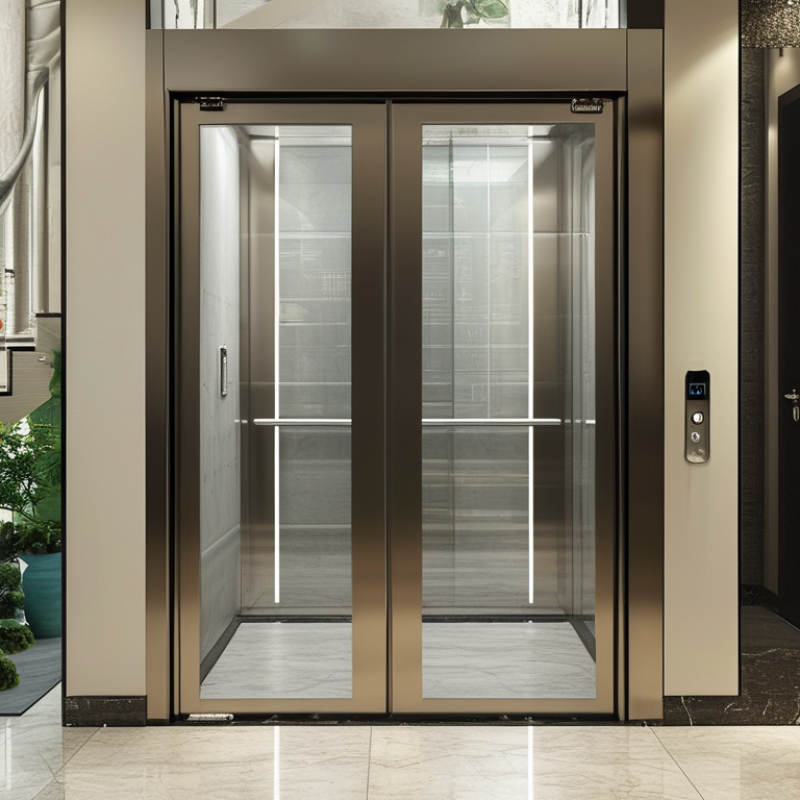
Why Choose a One Person Home Elevator for Your Space?

Benefits of Installing a One Person Home Elevator in Limited Spaces

Installing a one person home elevator can significantly enhance the functionality of limited spaces. These elevators are designed to occupy a small footprint while providing efficient vertical transportation. They are ideal for compact homes where traditional elevators would be impractical. Imagine effortlessly moving from one floor to another without the hassle of stairs. This convenience becomes vital for those with mobility issues or aging family members.

Moreover, these elevators add value to a home by improving accessibility. In small homes, space is often tight, and a one person elevator can be a space-saving solution that fits into corners or narrow hallways. The quiet operation and sleek design mean they can blend seamlessly with home aesthetics. However, homeowners must consider the installation process. It may require adjustments to existing layouts, which can be challenging. Careful planning ensures that the installation meets safety standards while maximizing space usage.

While the benefits are clear, it's essential to weigh these against potential concerns. Homeowners must think about the initial costs versus long-term benefits. Installation can be a big undertaking. Maintenance is another factor to consider over time. Keeping the elevator in top condition is crucial for safety and functionality. Essential details, like the elevator’s weight capacity and energy efficiency, should influence the decision. Careful consideration of these factors ensures the best fit for your unique home.

Benefits of Installing a One Person Home Elevator

Comparative Analysis: One Person Elevators vs. Traditional Models

One person home elevators offer a unique solution for those needing vertical transportation. They are designed for individual use, making them an ideal choice for compact living spaces. Unlike traditional models, which accommodate multiple passengers, these elevators prioritize efficiency and ease of access.

When comparing one-person elevators to traditional options, several dimensions stand out. One person elevators generally require less space. This feature makes them suitable for homes where room is limited. Furthermore, they can be installed in locations where traditional elevators might not fit. The compact design ensures that homeowners do not sacrifice valuable living space.

Cost is another consideration. One person elevators typically have lower installation and maintenance costs. This can be particularly attractive for those on a budget. Still, potential buyers should assess their long-term needs. While the smaller capacity is a benefit for space-saving, it may not meet the needs of larger households. Reflecting on these factors can guide a well-informed decision.

Cost-Effectiveness: Analyzing Investment and Maintenance Expenses

When considering a one-person home elevator, cost-effectiveness is a vital aspect. A study published by the National Association of Elevator Contractors reveals that installing a residential elevator can range from $20,000 to $40,000. Although this initial investment may seem high, the long-term savings and benefits often outweigh the costs. For aging homeowners or individuals with mobility issues, these elevators provide invaluable assistance, potentially reducing future healthcare expenses related to falls or mobility challenges.

Maintenance is another critical consideration. The average annual maintenance cost for home elevators is approximately $200 to $400, according to industry reports. This figure is significantly lower than the recurring costs associated with home modifications or extensive medical support systems. It's important to note that proper servicing can extend the lifespan of the elevator, making timely maintenance crucial. However, late repairs can lead to higher costs and potential safety risks, as compliance with safety codes is essential for performance.

Home elevators also enhance property value. Despite the upfront costs, real estate studies indicate that homes with elevators can appreciate in value by 10% to 15%. This increase reflects a growing market trend towards accessibility. Nevertheless, not all homes may benefit similarly. Factors like location and overall property condition can influence the return on investment. Conducting thorough research before installation is necessary, as each choice carries potential both for enhancement and setbacks.

Why Choose a One Person Home Elevator for Your Space? - Cost-Effectiveness: Analyzing Investment and Maintenance Expenses

Expense Category Estimated Cost (USD) Frequency of Expense Notes
Initial Purchase $20,000 - $35,000 One-time Varies based on design and features
Installation Costs $5,000 - $10,000 One-time Dependent on building structure
Annual Maintenance $300 - $700 Yearly Regular check-ups required
Repairs $500 - $1,500 As needed Can vary based on issue
Energy Costs $100 - $200 Monthly Depends on usage

Space Efficiency: Maximizing Small Home Designs with Elevators

In modern design, space efficiency is crucial. One person home elevators are key to maximizing small home designs. According to a report by the National Association of Home Builders, more than 50% of new homes now include accessibility features. Elevators can seamlessly integrate into limited spaces.

These elevators often take up less room than traditional staircases. They provide vertical mobility without compromising the layout. In many urban areas, space is at a premium. Smaller homes increasingly require innovative solutions to maintain functionality and style. Including an elevator can optimize corner spaces and enhance traffic flow throughout the home.

Interestingly, the return on investment for adding a one-person elevator can be significant. A study by the Center for Architecture indicates that homes with elevators can see resale values increase by up to 20%. However, not all designs allow for easy installation. This limitation can be a challenge for homeowners, emphasizing the need for careful planning and execution.

Accessibility Solutions: Enhancing Mobility for All Residents

Creating a one-person home elevator can significantly improve accessibility for residents of all ages and abilities. These elevators are designed to fit compact spaces, making them a versatile solution for many homes. Unlike larger models, they require minimal construction efforts, preserving the integrity of existing layouts.

Mobility issues can affect anyone, from the elderly to those recovering from surgery. A home elevator provides a safe means to navigate between floors, reducing the risk of falls. Without these solutions, many individuals may feel trapped, limiting their independence. Accessibility improves quality of life, allowing all residents to move freely.

While these systems offer many advantages, they also require careful consideration. Owners must evaluate their specific needs and assess space constraints. Moreover, regular maintenance is essential to keep the elevator functioning smoothly. Therefore, potential buyers should weigh these factors thoughtfully. A one-person home elevator can change lives, but it demands upfront planning and ongoing commitment.

FAQS

: What is a one person home elevator?

: It’s a compact elevator designed for efficient vertical transport in small spaces.

How does a one person elevator benefit limited spaces?

It occupies a small footprint and enhances accessibility for tight areas in homes.

Who can benefit from a home elevator?

Individuals with mobility issues, elderly family members, or those recovering from surgery can use it.

What should homeowners consider before installation?

They need to evaluate space, adjust existing layouts, and ensure safety standards are met.

Are there ongoing responsibilities after installation?

Yes, regular maintenance is crucial to keep the elevator safe and functional over time.

How does a one person elevator improve quality of life?

It allows residents to move freely, reducing the risk of falls and fostering independence.

Can installation be challenging?

Yes, it may require significant adjustments to existing home layouts.

What factors should influence the decision to install one?

Consider weight capacity, energy efficiency, cost, and the specific needs of your household.

Do these elevators fit into existing home aesthetics?

Yes, they are designed to blend seamlessly with the home’s decor due to their sleek design.

Is long-term value guaranteed with this installation?

While the initial cost is significant, the long-term benefits of accessibility should be weighed.

Conclusion

The article "Why Choose a One Person Home Elevator for Your Space?" highlights the numerous advantages of installing a One Person Home Elevator, particularly in limited living areas. One significant benefit is space efficiency; these compact elevators effectively maximize design in smaller homes where traditional elevators may not fit. Additionally, the comparative analysis shows that One Person Elevators offer a more economical solution, both in terms of initial investment and ongoing maintenance costs, making them a smart choice for homeowners.

Moreover, this type of elevator enhances accessibility, providing mobility solutions for all residents, particularly those with physical challenges. By integrating a One Person Home Elevator into your home, you not only improve functionality but also add value to your living space, creating a more inclusive environment for everyone.


Aria

Aria

Aria is a dedicated marketing professional with a deep passion for innovative strategies and a keen understanding of our company's product offerings. With a wealth of experience in the industry, Aria excels at crafting engaging content that highlights the unique features and benefits of our......