In the modern age, home design increasingly prioritizes accessibility and aesthetics. Shaftless home elevators offer a stylish and practical solution for multi-level living. As industry expert, John M. Greatwood, states, "Shaftless Home Elevators transform spaces into accessible areas without compromising on design." This innovation caters to homeowners seeking both luxury and functionality.
Shaftless home elevators blend seamlessly into contemporary architecture. They save space and reduce installation time. Unlike traditional models, these elevators do not require a shaft, which means more flexibility in design and placement. Homeowners can add elegance without extensive renovations. The convenience of movement between floors adds value to any home.
However, while shaftless elevators provide numerous benefits, challenges exist. Some users find selecting the right model overwhelming. Not all designs suit every home. Homeowners must assess their specific needs carefully. A well-informed choice ensures the ultimate satisfaction with this modern living solution.
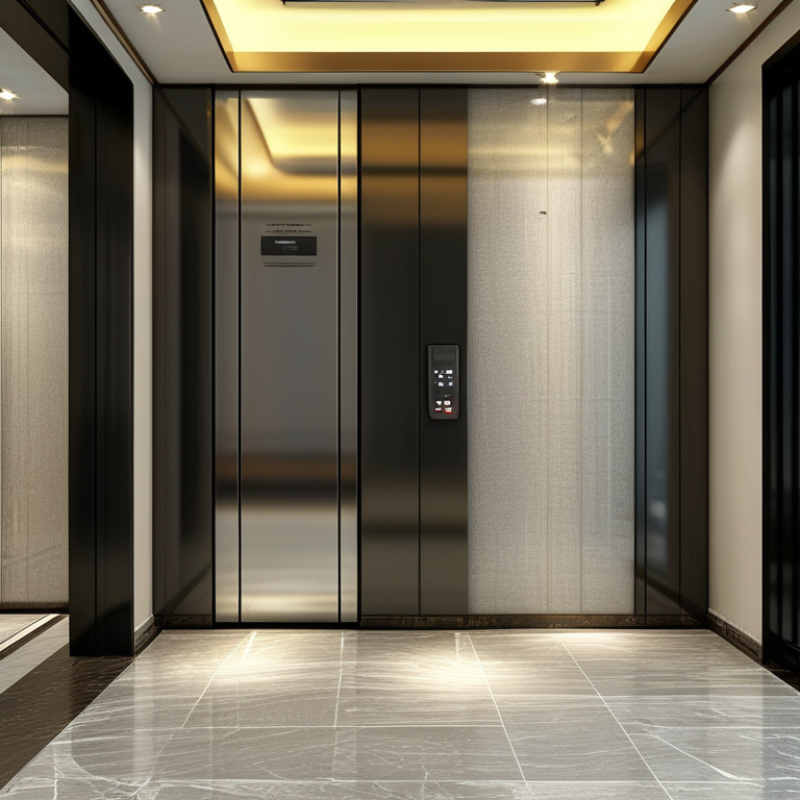
Overview of Shaftless Home Elevators and Their Benefits
Shaftless home elevators are becoming popular for modern homes. They offer unique advantages that traditional elevators cannot. These elevators use a design without a shaft, allowing for greater flexibility in installation. They can fit into smaller spaces, making them ideal for compact homes or apartments.
One benefit is the ease of accessibility. Homeowners with mobility challenges can move between floors effortlessly. This feature can enhance quality of life. Maintenance tends to be simpler too, as there are fewer complex components. However, some users may find installation costs higher initially. They may need to ensure proper structural support when installing.
While these elevators can be elegant and functional, potential buyers should consider their specific needs. They must balance aesthetics with functionality. After all, not every home layout is suitable for a shaftless design. Researching options and consulting experts is advisable to avoid costly mistakes. Each home is unique, so informed decisions are crucial for optimal results.
Key Features to Consider When Choosing Shaftless Elevators
When considering shaftless home elevators, several key features demand attention. The design should harmonize with the modern aesthetic of your home. A seamless and unobtrusive appearance is critical. Many homeowners seek an elevator that enhances their decor. The aesthetics should complement the living space so that it feels cohesive.
Safety is paramount. Statistics suggest that approximately 30% of elevator accidents occur due to user error or faulty installations. Thus, a dependable safety mechanism is essential. Look for elevators equipped with emergency stop functions, backup power systems, and smooth, quiet operation. Compliance with industry safety standards cannot be overlooked either.
Accessibility is another vital consideration. Shaftless elevators are designed for easy entry and exit, accommodating family members of all ages. In fact, research indicates that 20% of households will need mobility solutions within the next decade as populations age. Be mindful of weight capacity and space requirements as well. While they can be convenient, not all models meet diverse needs. Evaluating these factors will help ensure the best fit for your lifestyle.
Top Brands Offering Innovative Shaftless Home Elevators
Shaftless home elevators are revolutionizing modern living. They offer practical solutions for multi-story homes. Many homeowners desire convenience without the need for bulky shafts. Top brands are stepping up with innovative designs that fit seamlessly into contemporary aesthetics.
These elevators utilize advanced technology. Some models have a compact, minimalist design. They can be installed in tight spaces, making them perfect for urban homes. The ease of use appeals to all ages. Users appreciate the silent operation and low maintenance requirements. However, it's important to consider potential limitations, like weight capacity and installation specifics.
The rise of shaftless elevators marks a shift in accessibility. They enhance mobility for everyone, especially the elderly or disabled. As this trend grows, homeowners should research thoroughly. Evaluating options can be overwhelming. Understanding the installation process and potential challenges is crucial. Embracing these solutions requires careful planning but can drastically improve daily life.
Installation Process and Requirements for Shaftless Elevators
The installation of shaftless home elevators offers a modern solution for multi-story living. Unlike traditional elevators, these units don’t require a separate shaft, making them ideal for homes with limited space. This design not only saves room but also enhances aesthetic appeal. However, the installation process can be complex. It typically involves assessing the location's structural integrity and ensuring there is enough ceiling height.
When planning to install a shaftless elevator, several requirements must be considered. The area around the installation site must be clear and accessible. Building codes need to be adhered to, ensuring safety and function. Although shaftless designs are versatile, unexpected challenges can arise during the installation. Homeowners may find themselves needing electrical or structural modifications. It's crucial to communicate with experienced professionals who can guide the process smoothly, helping to define expectations. Proper planning and consultation can prevent costly adjustments later.
Cost Analysis of Shaftless Elevators Compared to Traditional Models
Shaftless elevators have gained popularity in modern homes due to their innovative design and space-saving features. Compared to traditional models, they offer a unique blend of functionality and aesthetics. According to a report by the National Association of Elevator Contractors, the demand for shaftless elevators has increased by over 40% in the last five years. This shift reflects a growing desire for accessibility without compromising architectural integrity.
Cost analysis reveals noteworthy differences between shaftless and traditional elevators. A shaftless model typically ranges from $15,000 to $30,000, while standard elevators average between $25,000 and $50,000. Installation costs also vary significantly. Shaftless options often require less structural modification, potentially saving homeowners thousands on remodeling. However, long-term maintenance costs for these systems can be higher due to specialized components and servicing needs.
One must also consider the limitations. Shaftless elevators may not accommodate all weight capacities or heights like traditional models. This could impact broader usage scenarios. Furthermore, while the upfront costs may appear appealing, unexpected repair expenses can arise, leading to budget overruns. Balancing initial savings with potential future costs is crucial for informed decision-making in residential planning.
Best Shaftless Home Elevators for Modern Living Solutions
| Model |
Type |
Cost (USD) |
Max Weight Capacity (lbs) |
Travel Height (ft) |
Installation Time (Days) |
| Model A |
Shaftless |
$15,000 |
500 |
40 |
3 |
| Model B |
Shaftless |
$18,000 |
600 |
35 |
4 |
| Model C |
Traditional |
$25,000 |
800 |
50 |
5 |
| Model D |
Traditional |
$30,000 |
1000 |
60 |
6 |
FAQS
: Shaftless home elevators are elevators without a shaft, designed for modern homes. They fit compact spaces well.
They improve accessibility for individuals with mobility issues, enhancing overall quality of life.
Shaftless elevators can be more affordable long-term due to less needed structural modification.
Maintenance is generally simpler; however, specialized components may lead to higher long-term costs.
No, not all homes are suitable. Each layout must be evaluated for compatibility before installation.
Buyers need to balance aesthetics and functionality, reflecting on their specific needs and home design.
Yes, shaftless models often have lower weight capacities, which may limit their applications.
Prices range from $15,000 to $30,000, generally lower than traditional elevators.
Potential issues include unexpected repair costs and limitations in height accommodations.
It helps avoid costly mistakes and ensures that the chosen elevator meets specific home and lifestyle needs.
Conclusion
Shaftless Home Elevators are revolutionizing modern living by providing an innovative and space-saving solution for multi-level homes. These elevators eliminate the need for traditional shafts, offering numerous benefits such as easy installation, enhanced accessibility, and a sleek design that complements contemporary interiors. When choosing a shaftless home elevator, it is essential to consider key features like weight capacity, design options, and safety measures.
The installation process of shaftless elevators is generally simpler than that of traditional models, which can result in lower labor costs and less disruption to the home environment. Furthermore, a cost analysis shows that while shaftless models may have similar or slightly higher upfront costs, they often provide long-term savings through lower maintenance requirements and energy efficiency. Overall, shaftless home elevators represent an ideal choice for those seeking practicality and style in their home accessibility solutions.

 Bluetech