Choosing the right modern lift for your home can be daunting. Experts agree that the decision should be informed and flexible. David Reynolds, a leading expert in home accessibility design, emphasizes, "Modern Lifts For Homes are not just about convenience; they elevate lifestyle and independence."
When exploring modern lifts for your home, consider functionality and aesthetics. A perfect fit combines design and safety. Systems must align with your home's architecture. There are different types of lifts available today. Some offer minimalistic designs, while others provide extra space. It’s essential to evaluate your unique requirements.
Furthermore, maintenance should not be neglected. Potential buyers often overlook this aspect. Modern lifts can be complex and require regular checks. Investing in quality ensures reliability and durability. This step cannot be overlooked when choosing the best modern lift for your home. The right lift should enhance your daily life while providing a sense of security.
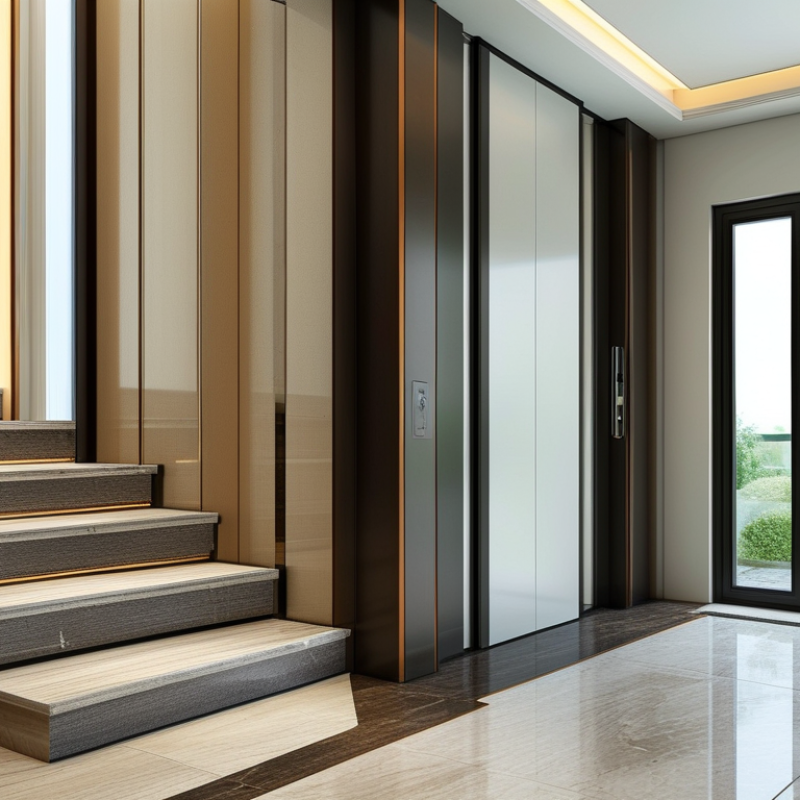
When considering a home lift, several key factors play a vital role in your decision. The ideal lift should match your specific needs, including the space available, the weight capacity, and the lift type. According to the National Lift Institute, residential lifts can support up to 950 pounds. It’s crucial to assess the regular use and the number of users to ensure safety and compliance with regulations.
You might think about where the lift will be installed. An external installation may not only save indoor space but also enhance your home’s exterior appeal. Consider load capacities as well. Lifts intended for multiple users or those who require mobility aids need to provide sufficient weight limits. A home lift is typically a significant investment, with costs ranging from $10,000 to $30,000, which emphasizes the importance of careful planning.
**Tip:** Always check local building codes and regulations to ensure compliance. This may enhance your lift's safety and reliability. You may also want to consult with a lift professional regarding your specific needs.
Reflect on maintenance as well. Regular inspections can prevent costly repairs. Industry guidelines recommend annual service checks. Keeping your lift in top condition is essential for safety. Sometimes, overlooked details can lead to unexpected problems. Understanding these factors will guide you to make a more confident and informed choice.
| Factor | Description | Importance Level |
|---|---|---|
| Space Requirements | Assess available space for installation, including dimensions and clearance needed. | High |
| Weight Capacity | Determine the maximum weight the lift can support to meet your needs. | Medium |
| Power Source | Check if the lift is powered by electricity, hydraulic systems, or alternative sources. | High |
| Safety Features | Look for features like emergency brakes, alarms, and door sensors for user safety. | Very High |
| Design and Aesthetics | Consider how the lift's design complements the overall look of your home. | Medium |
| Installation Process | Review the complexity and time required for installation, including any structural modifications. | Medium |
| Cost | Budget for the purchase, installation, and maintenance costs. | High |
| Maintenance Requirements | Understand the ongoing maintenance needs to keep the lift functioning properly. | Medium |
: Home elevators, via lifts, and wheelchair lifts are popular options. Each serves different needs.
They improve accessibility for families, especially the elderly and those with disabilities.
They have a modern glass design. They suit homes with open floor plans but require careful installation.
They assist wheelchair users. However, they may disrupt interior design. Assess your space before installation.
Look for redundant braking systems and emergency stop buttons. These features can prevent accidents.
Some need just 14 square feet. However, not all lifts fit snugly, which can cause installation challenges.
The lift should match your home’s style. Customization adds appeal but may exceed your budget.
Yes, safety, space, and design must be balanced. Sometimes, better features can lead to higher costs.
Thorough evaluations of your needs and space are essential. Careful consideration will help in decision-making.
A significant share of accidents stems from poor safety. Investing in proper safety features is crucial for protection.
When choosing modern lifts for homes, several crucial factors must be considered to ensure the right fit for your residential needs. First, evaluating the types of modern lifts suitable for your property can help narrow down options based on space, design, and functionality. Essential features such as ease of use, energy efficiency, and customizable designs should also be prioritized to enhance user experience and seamlessly integrate the lift into your home.
Safety and compliance standards are paramount when installing home elevators, ensuring that your lift adheres to relevant regulations and offers reliable performance. Additionally, budgeting and understanding the costs associated with installation are critical, as they can vary widely based on the type of lift and features chosen. By taking these aspects into account, you can make an informed decision that meets both your practical needs and aesthetic preferences when selecting modern lifts for homes.

 Bluetech