Best Elevators for Small Houses that Enhance Space and Style?

Time:2026-07-29 Author:Madeline
0%

When considering an elevator for small houses, practicality and style must intertwine. Many homeowners face challenges in maximizing limited space. A well-chosen elevator can transform a small home by adding functionality and enhancing aesthetics.

Elevators designed for small houses come in various styles and sizes. They can fit seamlessly into existing architecture, serving both an essential and decorative purpose. However, not all options may suit every type of small home. It's important to evaluate each choice based on specific needs, weight limits, and available configurations.

The installation process can also be complex and may require professional assistance. Homeowners should consider their long-term plans and budget before deciding. Choosing the right elevator requires research and thoughtful consideration. Balancing space needs with design preferences can be challenging but rewarding.
Best Elevators for Small Houses that Enhance Space and Style?

Best Elevators for Small Houses that Enhance Space and Style

When it comes to elevating the style and functionality of small houses, elevators can be game-changers. Compact elevators can save space while providing seamless access to multiple floors. According to the National Association of Home Builders, 1 in 3 homeowners considers installing an elevator for convenience and accessibility. This highlights the growing trend of integrating vertical transportation in smaller living spaces.

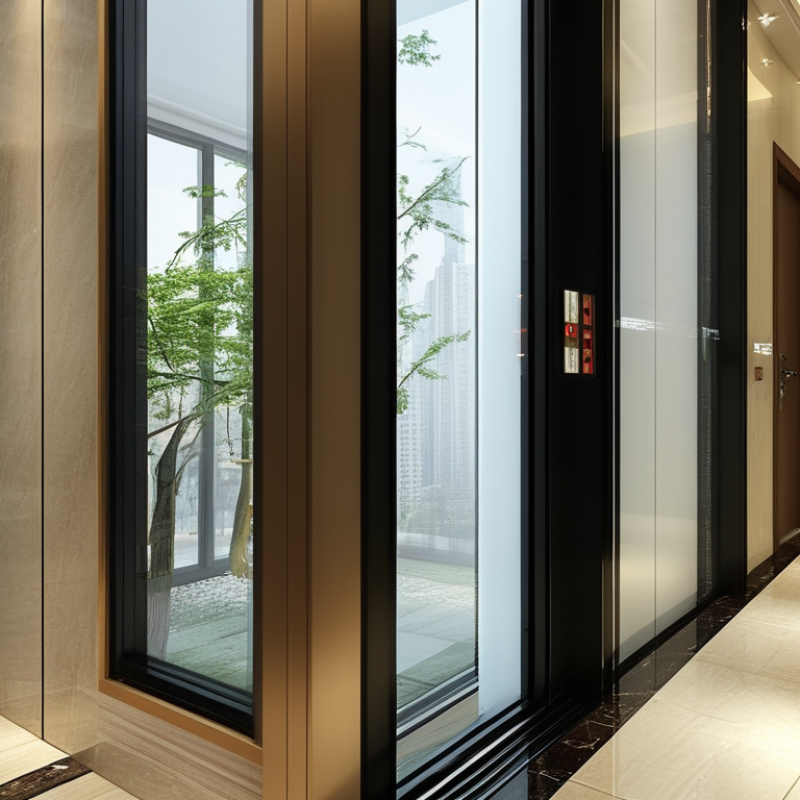
Choosing the right elevator involves careful consideration of size, design, and functionality. Glass elevators can create a modern aesthetic, enhancing natural light and space perception. On the other hand, a traditional residential lift can offer a classic touch that complements the overall home design. It's crucial to assess the available space and structural capabilities before installation.

**Tips:**
1. Consider a hydraulic elevator for smaller footprints. It requires less space compared to a conventional model.
2. Look into custom designs that match your home's decor. Personalization can significantly enhance its visual appeal.
3. Ensure proper maintenance to avoid frequent downtimes. Regular checks can prolong the elevator's lifespan and utility.

Like any home improvement, installing an elevator requires thoughtful planning. Consider how it aligns with your lifestyle needs. Technical specifications should be reviewed deeply to avoid misjudgments that could lead to costly adjustments. While elevators enhance convenience, they also demand investment and space dedication.

Key Features to Consider When Choosing Elevators for Small Homes

When selecting an elevator for a small home, several key features stand out. Space efficiency is crucial. Many modern elevators use a shaftless design, which can save up to 50% of the required footprint. This is especially important in compact living spaces. Additionally, elevators that blend seamlessly with interior design can enhance both functionality and aesthetics.

Safety features are non-negotiable. Elevators should include automatic safety mechanisms such as emergency brakes and phone connectivity for assistance. A report by the National Elevator Industry, Inc. indicates that 90% of home elevator accidents are preventable with proper maintenance. Regular inspections ensure reliability and longevity, providing peace of mind for homeowners.

Energy efficiency is another important consideration. Pneumatic and hydraulic models often boast high energy efficiency ratings. In fact, energy-efficient elevators can reduce electricity consumption by 30% compared to standard models. Choosing the right elevator enhances not just mobility but can also contribute to an overall reduction in the home's environmental footprint.

Best Elevators for Small Houses that Enhance Space and Style

Model Capacity (lbs) Dimensions (L x W x H) Power Source Style Features Price Range ($)
CompactLift Model A 800 3' x 4' x 7' Electric Sleek glass doors, LED lighting 8,000 - 12,000
SpaceSaver Elevator B 1000 4' x 4.5' x 7.5' Hydraulic Contemporary design, customizable finishes 10,000 - 15,000
MiniLift Model C 750 3' x 3' x 6.5' Electric Modern stainless steel, space-saving design 7,000 - 11,000
Vertical Lift D 500 2.5' x 3' x 5' Electric Compact, foldable seat 5,000 - 8,000

Top Brands Known for Stylish and Space-Saving Elevators

When considering elevators for small houses, stylish design and efficient space usage are key. Several brands have emerged as leaders in this niche, prioritizing both functionality and aesthetics. A recent report from the Elevating Systems Association indicates a 25% increase in demand for compact residential elevators over the past three years. This trend reflects a growing awareness of how elevators can enhance not just convenience, but also the overall appeal of a small home.

One notable feature of modern elevators is their ability to blend seamlessly into home decor. Many designs use glass and metal, creating an illusion of open space. According to the National Association of Home Builders, elevators that combine style with practicality can raise a home's value by up to 15%. Yet, aesthetically pleasing designs often come with trade-offs. Some may require more maintenance or higher upfront costs, and not all homeowners may see the long-term benefits.

Space-saving models also bring specific challenges. For example, they often require precise measurements to ensure proper installation. Homeowners should also consider noise levels during operation, as quieter models could significantly elevate living experiences. A balanced approach, weighing both style and functionality, can lead to the best outcomes in these unique small house elevators.

Comparative Analysis of Elevators Suitable for Limited Spaces

When considering elevators for small houses, space and style are crucial. A comparative analysis reveals various options that maximize limited square footage while enhancing aesthetics. According to industry reports, compact elevators can save up to 15% more space than traditional models. These designs not only help in accessibility but also boost property value.

Tips: Incorporate mirrors or glass panels in your elevator design. This creates an illusion of larger space, making small areas feel more open. Choose designs that align with your interior style to maintain a cohesive look.

Weight limits matter in small home elevators. Many models accommodate 450-1,000 pounds, but it's essential to evaluate your needs carefully. Customization options often exist, such as adding folding seats or additional safety features. However, consider that bespoke solutions can take more time and investment. The demand for smaller, efficient elevators is growing, as more homeowners seek to combine modern convenience with classic design.

Comparison of Best Elevators for Small Houses

Installation Considerations and Space Efficiency in Home Elevators

When considering a home elevator for small houses, installation is a key factor. Space efficiency should be a priority. Elevators can occupy less space than traditional staircases. This allows homeowners to use their square footage effectively. Compact models can fit seamlessly into narrow corners or between floors. It’s vital to measure your available space carefully before installation.

Moreover, planning for an elevator involves understanding structural constraints. Some homes may require additional reinforcement. Consulting with a specialist can prevent unexpected costs during installation. A well-placed elevator enhances both style and functionality, creating a flow in small spaces.

However, the aesthetic appeal can sometimes clash with practical needs. Homeowners may want a stylish design that fits their décor. Yet, not all designs suit every home style. Reflecting on personal preferences is crucial before making a choice. Balancing aesthetics and practicality often leads to challenging decisions. Each small house is unique, so finding the right fit requires thoughtful consideration.

FAQS

: What should I consider when choosing an elevator for a small home?

: Focus on space efficiency, safety features, and energy efficiency.

How does a shaftless elevator design help with space?

Shaftless designs can save up to 50% of the required footprint in compact areas.

What safety features should home elevators have?

Look for automatic safety mechanisms, emergency brakes, and phone connectivity for assistance.

Can regular maintenance improve elevator safety?

Yes, 90% of home elevator accidents are preventable with proper maintenance and regular inspections.

How much energy can efficient elevators save?

Energy-efficient elevators can reduce electricity use by 30% compared to standard models.

What design tips can make small home elevators feel larger?

Incorporate mirrors or glass panels to create an illusion of more space.

What's an important factor to keep in mind regarding weight limits?

Evaluate your needs, as many models accommodate 450-1,000 pounds.

Are there customization options available for small home elevators?

Yes, options like folding seats or additional safety features can be customized.

How do compact elevators impact property value?

They can help boost property value while enhancing accessibility.

What’s a drawback of custom elevator solutions?

Bespoke options may take more time and investment than standard models.

Conclusion

When selecting an elevator for small houses, homeowners should prioritize features that enhance both space efficiency and style. Key considerations include the size and design of the elevator, its functionality, and how well it integrates with the home's aesthetic. Elevators designed for limited spaces often come with smart design elements, such as compact footprints and customizable finishes that blend seamlessly with interiors.

A comparative analysis of various elevator models suitable for small homes reveals that many brands have developed innovative solutions to maximize space without sacrificing elegance. Installation considerations are also crucial; choosing the right location and type of elevator can significantly affect the overall efficiency and accessibility of the home. In summary, an elevator for small houses not only improves mobility but also adds a touch of sophistication to compact living environments.


Madeline

Madeline

Madeline is a dedicated marketing professional with a wealth of expertise in our company's core offerings. With a keen understanding of the industry, she brings a unique perspective to her role, consistently delivering high-quality content that highlights the superior aspects of our products. As......