In today's fast-paced world, more homeowners are seeking accessible solutions for their living spaces. "Low Cost Home Elevators" have emerged as a practical option for many. According to industry expert Mark Thompson, “Affordable elevators make homes more accessible without breaking the bank.” This quote highlights the growing trend towards integrating functional designs that suit budget-conscious families.
These elevators provide convenience and enhance mobility within the home. Whether it's for aging parents or disabled family members, they create safer living environments. However, selecting the right elevator can be daunting. Not all low-cost options guarantee reliability or safety. It's essential to compare models and brands carefully to ensure they meet your specific needs.
Despite their affordability, not all low-cost home elevators are created equal. Some may compromise on quality or service. Therefore, delving into customer reviews and expert opinions is crucial. Taking the time to research can lead to informed decisions, ultimately enhancing the quality of life within your home.
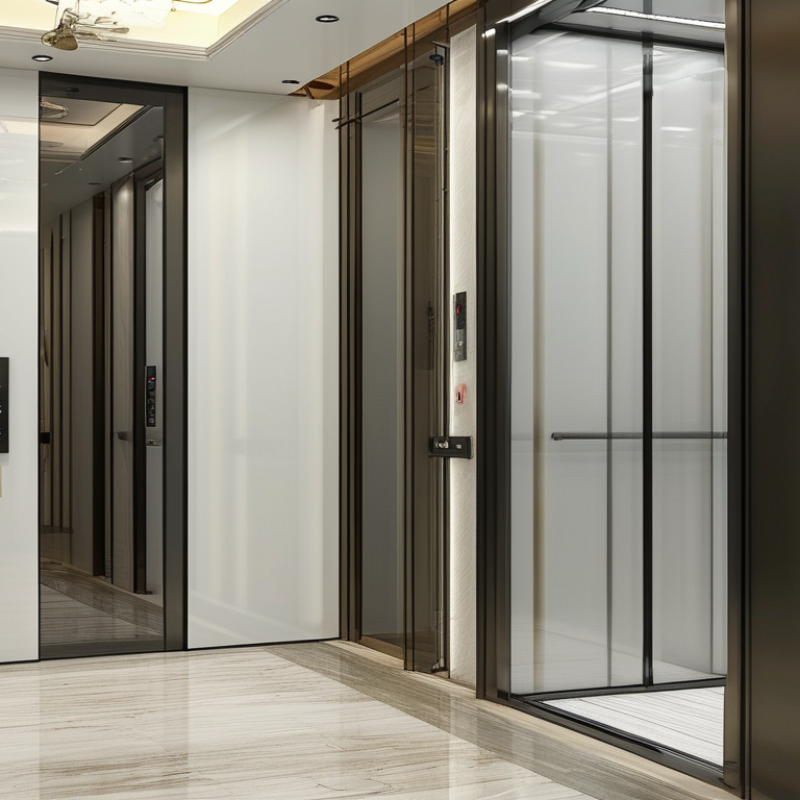
When considering affordable home elevators, it's essential to explore the types available in the market. Today, various options cater to different budgets and needs. Hydraulic elevators, for instance, offer reliable performance and lower maintenance costs. They function using a piston, resulting in smooth rides. According to industry reports, nearly 40% of homeowners prefer hydraulic models due to their durability and accessibility.
Another popular option is the pneumatic elevator. This model uses air pressure to move the cabin. It is less invasive to install, making it suitable for existing homes. The installation can be completed in a day, contrasting with traditional elevators that might take weeks. However, they can have higher energy costs.
**Tips:** Consider the space available in your home. Measure door widths and potential elevator sizes. Additionally, research local regulations related to home elevator installations. This can save future headaches.
Lastly, think about your long-term needs. A home elevator may seem like an unnecessary investment for now, but it can significantly improve mobility as you age. Discerning buyers should weigh on comfort and practicality when selecting an elevator for their home.
This chart illustrates the cost of different types of home elevators that are considered to be affordable options for homeowners. Hydraulic elevators are the least expensive, while cable elevators tend to be the most costly among the options listed.
When selecting a low-cost home elevator, consider the essential features that align with your lifestyle. One of the key aspects is weight capacity. Most affordable models support between 500 to 1,000 pounds. Ensure the elevator can accommodate your household needs, including any future adaptations.
Another factor is design versatility. There are various styles, including hydraulic and pneumatic elevators. Hydraulic models tend to be more common due to their efficient operation. However, they require more space for installation. A research report by the National Association of Elevator Contractors indicates that homeowners often overlook the space needed for the machinery. This can lead to unexpected construction costs later.
Maintenance is crucial for reliability. A well-maintained elevator can last over 20 years. However, users often neglect regular servicing. It is recommended to conduct maintenance checks at least twice a year. Proper care not only enhances performance but also extends the lifespan of the equipment. Overall, considering these features can greatly aid in selecting the best low-cost home elevator that meets your needs.
When considering home elevators for affordable living, a cost comparison reveals a spectrum of choices. Installation costs for low-cost home elevators can range widely. On average, prices start from $10,000 and can go beyond $20,000, depending on type and features. A report by the National Association of Home Builders (NAHB) shows that residential elevator installations have risen 20% in demand over the last five years. This indicates a growing interest in accessibility solutions.
Maintenance costs are also essential to factor in. Regular maintenance can add up to 5% of the initial installation cost annually. Elevators made from durable materials typically require less upkeep. According to the Elevator World Industry Report, more than 80% of homeowners find that investing in reliable, low-maintenance elevators pays off over time. However, delays in repair can lead to significant costs. Homeowners should budget for unexpected repairs, as older models can be particularly troublesome.
Understanding these costs is crucial for making informed choices. While many low-cost elevators promise affordability, the long-term expense needs careful scrutiny. Homeowners need to balance upfront costs with potential maintenance and repair factors. This approach ensures sustainable and affordable living solutions in the long run.
Installing a home elevator can greatly enhance the quality of life. It provides accessibility for individuals of all ages. Whether carrying groceries or moving between floors, elevators simplify many daily tasks. For families, this convenience can be life-changing.
Consider the safety aspect. A home elevator reduces the risk of falls, especially for seniors or those with mobility challenges. This is significant, as falls can lead to serious injuries. Furthermore, home elevators can increase the property’s value. Many buyers appreciate the convenience and accessibility they offer.
While there may be initial costs, the long-term benefits shine through. Elevators can assist with heavy lifting and create a smoother flow throughout your home. However, potential buyers should weigh their needs carefully. Maintenance can add to overall expenses. Being informed helps make the best choice.
When considering a home elevator, affordability often comes to mind. Many brands now offer budget-friendly options without sacrificing quality. These elevators can enhance your home's accessibility and convenience. They are especially useful for those with mobility challenges or multi-level homes.
Some companies focus on providing well-designed home lifts at lower price points. Their elevators use innovative technologies to reduce installation and maintenance costs. It’s important to research different models and compare features. You want a lift that suits your needs and fits within your budget.
While exploring options, think about the long-term costs. Installation can be complex, and maintenance is vital for safety. Consider consulting with professionals for guidance. Remember, a low-cost elevator today might require costly repairs tomorrow. Balancing affordability with reliability can lead to a wise investment for your home.
| Model | Price Range | Max Weight Capacity | Speed (ft/min) | Warranty |
|---|---|---|---|---|
| Simplistic Series | $10,000 - $15,000 | 750 lbs | 30 ft/min | 5 Years |
| Compact Lift | $8,000 - $12,000 | 500 lbs | 25 ft/min | 3 Years |
| Eco-Friendly Model | $12,000 - $18,000 | 800 lbs | 35 ft/min | 7 Years |
| Classic Home Lift | $9,500 - $14,000 | 600 lbs | 28 ft/min | 4 Years |
| Modern Glass Lift | $15,000 - $20,000 | 750 lbs | 32 ft/min | 6 Years |
: Affordable home elevators include hydraulic and pneumatic models. Hydraulic elevators are reliable, while pneumatic ones use air pressure.
Installation prices usually range from $10,000 to over $20,000. Costs depend on the type and features.
Maintenance costs can add up to 5% of the installation price annually. Durable elevators often require less upkeep.
Pneumatic elevators can be installed in about a day. Traditional elevators might take weeks to complete.
Yes, think about long-term needs. Elevators can greatly improve mobility as you age, making them a valuable investment.
Research space availability, door widths, and local regulations. This helps avoid future issues and ensures a smooth installation.
Yes, it's wise to set aside funds for unexpected repairs. Older models may require significant attention and can be troublesome.
Compare costs, features, and maintenance needs. An affordable elevator may lead to expensive repairs down the line.
There is a growing interest in accessibility solutions, with a notable 20% increase in residential elevator installations recently.
Consulting professionals is advisable. They can guide you in selecting the right model based on your specific needs and budget.
In recent years, the demand for Low Cost Home Elevators has surged as more homeowners seek affordable solutions for enhanced mobility within their residences. Various types of economical home elevators are available in the market, offering practical solutions without compromising on quality. When selecting a low-cost option, it's essential to consider key features such as size, weight capacity, and safety mechanisms.
Additionally, a comprehensive cost comparison reveals that installation and maintenance of these affordable elevators can fit within a modest budget, making them an attractive investment for those aiming for affordable living. The benefits of installing a home elevator extend beyond convenience; they can significantly increase the property's value and accessibility, especially for families with elderly members or individuals with disabilities.

Bluetech