2026 Best Home Elevator Types for Global Buyers?

Time:2026-10-22 Author:Charlotte
0%

Home Elevator decisions are becoming more practical as private homes adapt to aging, accessibility, and multi-level living. The World Health Organization reports that one in six people worldwide will be aged 60 or older by 2030. That shift affects new villas, renovated townhouses, and compact urban homes. It also changes what “best” means. A quiet lift may matter more than top speed.

Industry research supports this growing interest. Fortune Business Insights and Grand View Research identify urbanization, home renovation, and accessibility needs as important drivers in the broader elevator market. However, market forecasts often combine commercial and residential equipment. That distinction deserves caution. Home Elevator buyers should not treat large-market growth figures as direct proof of household demand.

This guide compares hydraulic, traction, screw-driven, and vacuum systems for global buyers in 2026. Each type has a different installation story. A traction model may provide efficient daily travel, while a screw-driven unit can suit homes with limited shaft space. Vacuum elevators offer distinctive glass-tube designs, but sound levels and cabin capacity require close review. Small details matter. A narrow landing can change the entire plan.

Reliable selection requires more than attractive brochures. Buyers should check local building rules, electrical requirements, emergency lowering, fire safety, maintenance access, and installer qualifications. EN 81-20, EN 81-50, and ASME A17.1/CSA B44 may influence specifications, depending on location. Standards are not interchangeable. Manufacturer claims also need independent verification, especially for energy use and installation time. My practical view is imperfect: the “best” elevator is rarely the most advanced one. It is the system that fits the building, budget, users, and long-term service network.
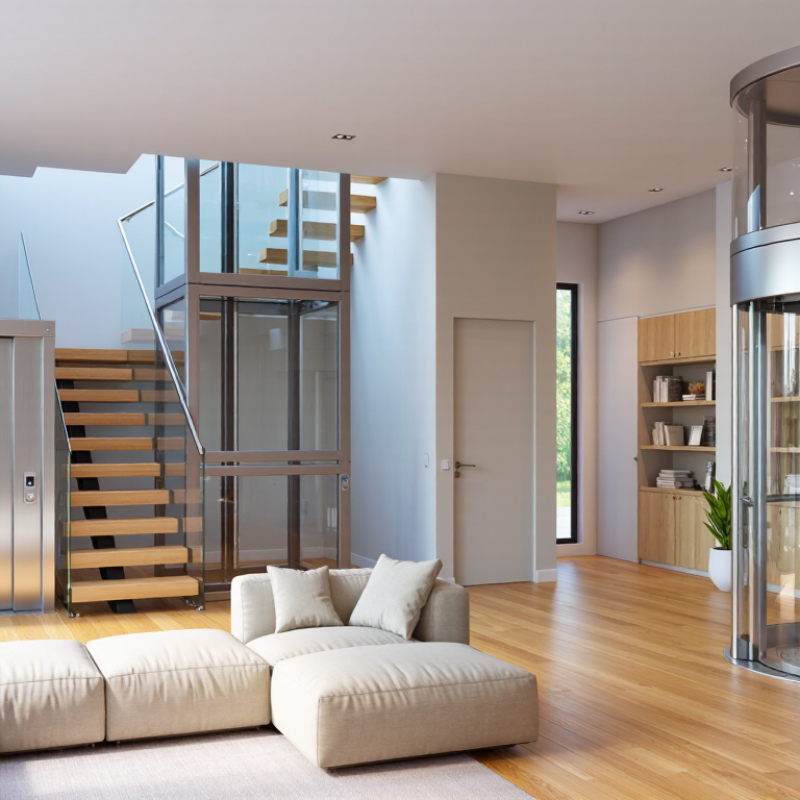
2026 Best Home Elevator Types for Global Buyers?

What Is a Home Elevator and Who Needs One?

2026 Best Home Elevator Types for Global Buyers
What Is a Home Elevator and Who Needs One?

A home elevator is a compact vertical transport system installed inside or beside a private residence. Unlike commercial lifts, it serves a small number of people and usually travels between two or three floors. It can improve daily access for older adults, wheelchair users, injured residents, and families carrying laundry or groceries. It may also protect long-term property usability. Yet, not every household needs one. A stairlift or platform lift could be simpler and less expensive.

For global buyers, common choices include hydraulic, traction, screw-drive, and vacuum systems. Each type has different space, noise, energy, and maintenance requirements. Hydraulic models may need a machine room, while traction systems can suit taller homes. Screw-drive designs often support compact layouts, but travel speed may feel modest. Local building codes, emergency lowering, door protection, and installer qualifications deserve careful review. A polished cabin means little if maintenance access is poor. That is an easy detail to miss.

Tips: Measure the shaft area, landing height, doorway width, and electrical supply before requesting quotes. Ask an independent engineer to check the structure. Compare warranty terms and local service response times. Visit an installed elevator if possible. Do not choose from pictures alone. A quiet ride can still hide costly maintenance. Reflect on future needs, too; children grow, mobility changes, and plans sometimes fail.

How Home Elevator Types Differ by Design and Drive System

Choosing among home elevator types in 2026 requires more than comparing cabin finishes. Design affects space, accessibility, noise, and installation work. A shaftless lift can suit a renovated home with limited construction space. An enclosed shaft offers stronger visual integration and better protection for children and pets. Glass panels create a bright, open feeling, but they demand frequent cleaning and careful privacy planning. These details matter in daily use.

The drive system changes the elevator’s behavior. Hydraulic elevators provide steady movement and work well in low-rise homes, but they may need a pit, a machine area, and regular fluid inspections. Traction systems use cables and counterweights, often delivering efficient travel with less fluid-related maintenance. They can suit taller houses, although their installation may require more structural planning. Screw-driven systems are compact and practical for some retrofits. They usually move more slowly and can produce noticeable operating noise. Vacuum systems offer a distinctive design with limited building work, but their capacity and climate suitability require close review.

A professional assessment should check floor height, soil conditions, power supply, wheelchair dimensions, emergency lowering, and local safety requirements. Maintenance access is easy to overlook. So is backup power. A beautiful cabin cannot compensate for poor servicing arrangements. I would not select a system from photographs alone. Real installation experience shows that two similar homes may need completely different solutions. The best decision should follow measured site conditions, expected users, and available local technicians.

Which Home Elevator Fits Different Buildings and User Needs?

In 2026, choosing a home elevator starts with the building, not the brochure. Fortune Business Insights’ 2024 elevator market report projects global industry growth above 5% annually through 2032. Demand is rising, but suitable designs remain highly site-specific.

For compact two-storey homes, screw-drive elevators often need less structural preparation. They can work well where a pit is difficult, though travel speed may feel modest. Traction elevators suit taller homes and frequent daily use. They usually require careful shaft planning and overhead clearance.

Hydraulic systems can carry heavier loads, but machine-room space and fluid maintenance need attention. Vacuum elevators offer a lighter installation footprint. Noise and cabin size may limit comfort. Space matters.

User needs change the decision. The World Health Organization reports that about 1.3 billion people experience significant disability worldwide. Wide doors, level entry, handrails, low controls, and backup lighting therefore deserve early consideration. The United Nations projects that one in six people globally will be aged 65 or older by 2050. A narrow cabin may work today, but not after a walker is introduced.

A proper survey should measure slab strength, travel distance, power supply, drainage, weather exposure, and local code requirements. Energy use also matters. The best type is rarely the fastest one. It is the lift that remains safe, quiet, serviceable, and comfortable after years of use. That judgment can be imperfect. A technically suitable elevator may still feel wrong inside a small, echoing hallway.

What Safety, Space, and Accessibility Features Matter Most?

2026 Best Home Elevator Types for Global Buyers?

For global buyers, safety should guide every home elevator decision. Field assessments show that reliable systems include door interlocks, obstruction sensors, emergency lighting, and controlled emergency lowering. Battery backup is valuable during a power failure, especially in regions with unstable electricity. A two-way communication device can connect passengers with help outside the cabin. Small details matter. Ask for inspection records, maintenance schedules, and clear installation procedures. Local building requirements may differ, so qualified professionals should review the site before purchase.

Space affects the most suitable elevator type. Hydraulic models can provide smooth travel but may require equipment space and structural planning. Traction or screw-driven systems may fit tighter layouts, depending on the building design. Measure the shaft, pit, overhead clearance, doorway, and landing area carefully. A compact cabin is not automatically accessible. A wheelchair may need turning space, while a caregiver may need room beside the passenger. Door width, floor level accuracy, and gentle acceleration deserve close attention.

Accessibility includes more than physical dimensions. Controls should be reachable, tactile, high-contrast, and simple to understand. Audible floor announcements and visible indicators support users with different abilities. Slip-resistant flooring, handrails, and soft cabin lighting can improve confidence. Consider prams, walking frames, and limited hand strength. Some plans look efficient on paper, yet feel restrictive in daily use. That gap deserves honest testing with real users before the final design is approved.

2026 Best Home Elevator Types for Global Buyers: Safety, Space, and Accessibility Comparison

Typical residential planning ranges; actual specifications depend on local building codes, site conditions, configuration, and certified installation.

Elevator Type Typical Drive System Typical Capacity Typical Speed Typical Travel / Floors Space and Construction Needs Energy and Operating Profile Key Safety Features Accessibility Strengths Main Limitations Best-Fit Home Scenario
Hydraulic Home Elevator Hydraulic cylinder powered by a pump and oil reservoir; may use a machine room or a compact machine-room-less arrangement. Approximately 450–1,000 kg; commonly suitable for 3–6 occupants, depending on car size. Approximately 0.15–0.60 m/s. Usually 2–5 floors; commonly practical for approximately 6–15 m of travel. Often requires a pit of about 150–300 mm and overhead clearance. A separate machine room may be required in some designs. Higher power demand during upward travel; generally low standby consumption. Hydraulic oil management and periodic inspection are required. Emergency lowering, overload protection, door interlocks, obstruction sensors, emergency lighting, alarm, battery lowering, and overspeed protection where required by code. High load capacity, spacious cabins, smooth starts, and good suitability for wheelchairs and caregivers. May require more structural work, hydraulic equipment space, and environmental controls for oil and temperature. New construction or substantial renovations where a larger cabin and higher capacity are priorities.
Traction Home Elevator Electric motor, sheave, ropes or belts, and counterweight; available with a machine room or machine-room-less layout. Approximately 320–1,000 kg; often configured for 3–8 occupants. Approximately 0.30–1.00 m/s. Usually 2–6 floors; commonly suitable for approximately 6–20 m of travel. Typically needs a lift shaft, pit, and overhead space. Modern machine-room-less designs can reduce plant-room requirements. Efficient for repeated trips and regenerative options may reduce energy use. Batteries and control electronics require periodic servicing. Overspeed governor, safety gear, electromagnetic brakes, door locks, emergency communication, battery rescue, overload monitoring, and automatic re-leveling. Fast, quiet, comfortable, and well suited to frequent use, multi-floor homes, and larger wheelchair-accessible cabins. Usually requires more shaft height and pit depth than compact home-lift systems; installation can be more complex. High-end new homes or multi-story residences requiring frequent, fast, and durable service.
Screw-Driven Home Lift Electric motor rotates a screw or threaded drive mechanism to move the cabin. Approximately 250–400 kg; commonly suitable for 2–4 occupants. Approximately 0.10–0.15 m/s. Usually 2–4 floors; commonly practical for approximately 6–12 m of travel. Often available with a shallow pit or pitless configuration and limited overhead requirements. A dedicated shaft or self-supporting enclosure is normally needed. Moderate energy use during travel and minimal standby demand. Mechanical components may need lubrication and inspection. Door interlocks, emergency stop, obstruction detection, overspeed or descent protection, manual or battery lowering, and overload monitoring. Good for home retrofits, compact footprints, and users who need a simple lift between two or three levels. Slower travel, lower capacity, and potentially more audible mechanical operation than traction systems. Existing homes with limited structural space and moderate accessibility requirements.
Vacuum Pneumatic Elevator Air pressure differential moves a lightweight cabin inside a cylindrical transparent or enclosed tube. Approximately 150–250 kg; commonly suitable for 1–3 occupants, depending on design. Approximately 0.15–0.25 m/s. Usually 2–3 floors; commonly suitable for approximately 6–10 m of travel. Usually does not require a conventional pit, machine room, or full masonry shaft. A circular tube requires careful planning of floor openings and headroom. Low energy use in standby and during descent; power is mainly used during upward travel. Seals, turbines, and controls require inspection. Automatic braking or controlled descent, door locks, emergency lowering, obstruction monitoring, backup power, and alarm systems where provided by the certified design. Minimal building work, strong visual openness, and useful installation flexibility in some retrofit projects. Limited capacity, cabin size, speed, acoustic performance, and suitability for large wheelchairs or frequent heavy use. Compact two- or three-level homes where low-impact installation and architectural visibility are important.
Platform Lift Commonly hydraulic, screw-driven, or traction-powered; the passenger stands on or uses an open platform. Approximately 225–450 kg for many residential configurations; higher capacities may be available in specific designs. Approximately 0.10–0.15 m/s in many residential applications. Usually 2 floors or short-rise travel; often practical for approximately 3–6 m, subject to local regulations. Can use a shallow pit, ramp, or pitless arrangement. May be installed beside a staircase or within a compact enclosure. Generally low to moderate energy consumption because of low speed and short travel. Outdoor models need weather protection and corrosion control. Non-slip platform, safety edges, folding or sliding barriers, interlocked gates, emergency stop, obstruction sensors, manual lowering, and anti-runaway protection. Excellent for wheelchair and mobility-scooter access when platform dimensions and load ratings are correctly selected. Slower and less enclosed than a full cabin elevator; weather exposure and code restrictions may limit applications. Short-rise access between a home and garage, split-level floors, entrances, or garden levels.
Vertical Platform Lift with Enclosure Hydraulic, screw-driven, or traction mechanism operating inside a partial or full enclosure. Approximately 250–450 kg; usually designed for one wheelchair user plus an attendant. Approximately 0.10–0.15 m/s. Usually 2 levels or short-rise travel; often practical for approximately 3–6 m. Can be configured with a shallow pit, ramp, or pitless base. Requires landing gates and adequate space for wheelchair turning. Low to moderate energy use. Outdoor installations require drainage, weatherproof controls, and regular corrosion checks. Interlocked landing gates, platform safety edges, emergency stop, backup lowering, overload protection, anti-fall protection, and audible or visual alarms. Provides step-free access for wheelchairs while requiring less space and construction than a conventional passenger elevator. Limited speed and travel; may not meet the comfort, privacy, or fire-separation expectations of a full passenger elevator. Homes needing practical accessibility at a porch, entrance, split level, or short internal rise.
Stairlift Battery-powered motor drives a seat along a rail fixed to a straight or curved staircase. Approximately 100–160 kg, depending on the certified model and configuration. Approximately 0.10–0.15 m/s. Normally one staircase run; suitable for single-story or multi-story stair access. Usually requires no pit, shaft, or major structural alteration. The staircase must retain safe clearance for other users. Low energy use; rechargeable batteries normally permit operation during short power interruptions. Swivel seat, seat belt, obstruction sensors, overspeed control, travel limit switches, emergency stop, battery backup, and manual release procedures. Very effective for seated users who can transfer from a wheelchair and for homes where a shaft cannot be created. Not suitable for users who must remain in a wheelchair unless combined with a separate platform solution; stair width can be restrictive. Existing homes where the primary need is safe movement along a staircase rather than transporting people or goods in a cabin.

Planning note: For global projects, confirm compliance with the elevator and accessibility rules in the destination country, including requirements for emergency communication, fire separation, pit and overhead dimensions, landing-door protection, electrical supply, evacuation procedures, inspection, and accessibility clearances. Capacity, dimensions, speed, and safety equipment must be verified in the final certified design.

How to Compare Cost, Installation, Maintenance, and Global Standards?

2026 Best Home Elevator Types for Global Buyers

How to Compare Cost, Installation, Maintenance, and Global Standards?

Choosing a home elevator starts with the building, not the brochure. Hydraulic, traction, vacuum, and platform systems differ in space, speed, noise, and energy use. A traction model may need less machine-room space. A hydraulic system can suit low-rise homes but may require more structural planning. Installation cost depends on shaft construction, pit depth, power supply, freight access, and local labor. A low quotation can still hide expensive civil work.

Maintenance deserves equal attention. Ask for inspection intervals, spare-part availability, emergency response time, and technician qualifications. The UNEP Global Status Report for Buildings and Construction 2024 states that buildings consumed about 32% of global energy and produced approximately 34% of global CO2 emissions in 2022. Efficient standby controls and LED cabin lighting can reduce operating waste, although actual savings depend on daily travel. For safety, compare documentation against ISO 8100-1 and ISO 8100-2, or regional rules such as EN 81-20 and ASME A17.1/CSA B44. These standards are not interchangeable.

Tips: Request three itemized quotations. Separate equipment, construction, taxes, testing, and maintenance. Confirm the rated load with furniture and wheelchair needs included. Check whether the home needs a pit, overhead clearance, or backup lowering system. Ask for ten-year service costs, not only the purchase price. Also, review local approval requirements before ordering. Standards evolve, and older advice may be incomplete.

FAQS

What is a home elevator?

A home elevator is a compact lift for private residences. It usually serves two or three floors. It can improve access for older adults, wheelchair users, and families carrying groceries.

Who may benefit from a home elevator?

Older residents, injured people, wheelchair users, and caregivers may benefit. It can also help with laundry, prams, and heavy shopping bags. Not every household needs one.

Which home elevator suits a compact two-storey house?

A screw-drive system may suit homes with limited structural space. It can work where a deep pit is difficult. Its travel speed may feel modest.

Which elevator type suits taller homes?

Traction systems often suit taller homes and frequent daily use. They need careful shaft planning and enough overhead clearance. Measure everything.

What are the main differences between elevator types?

Hydraulic systems can carry heavier loads but may need equipment space. Traction systems suit taller buildings and regular use. Screw-drive systems can fit compact layouts. Vacuum systems may reduce structural work, but cabin space and noise need review.

What safety features should buyers request?

Look for door interlocks, obstruction sensors, emergency lighting, and controlled emergency lowering. Battery backup helps during power failures. A two-way communication device can connect passengers with outside assistance.

How much space does an accessible cabin need?

Measure the shaft, pit, overhead area, doorway, and landing. A wheelchair may need turning space. A caregiver may need room beside the passenger. A small cabin is not automatically accessible.

Which accessibility details matter inside the cabin?

Choose reachable controls with tactile markings and strong contrast. Handrails, slip-resistant flooring, soft lighting, and clear indicators can improve confidence. Audible floor announcements may support users with limited vision.

What should buyers check before requesting quotes?

Measure landing height, doorway width, electrical supply, drainage, and weather exposure. Ask an independent engineer to review the structure. Compare warranty terms and local service response times.

How can buyers avoid a poor long-term choice?

Visit an installed elevator if possible. Test it with real users, not only pictures. Check maintenance access and inspection records. A quiet ride can still hide expensive service needs. My judgment may be incomplete. Future needs can change.

Conclusion

Choosing the right Home Elevator can improve comfort, mobility, and long-term property value for homeowners, multigenerational families, and people with accessibility needs. This guide explains what a home elevator is, who may benefit from one, and how different types vary in design, lifting method, footprint, noise level, and energy use. It compares options for private houses, renovated buildings, and new construction, helping readers match each system to available space, floor height, daily traffic, and user requirements.

The article also highlights essential safety and accessibility features, including secure doors, emergency controls, backup power, smooth leveling, suitable cabin dimensions, and easy-to-use controls. Beyond design, buyers will learn how to evaluate installation complexity, structural preparation, maintenance needs, operating costs, and compatibility with recognized international safety expectations. By considering these factors together, global buyers can make a practical, informed decision that balances convenience, reliability, budget, and long-term performance.


Charlotte

Charlotte

Charlotte is a seasoned marketing professional with a deep understanding of the company's portfolio and a passion for elevating its presence in the market. With a keen eye for detail and a commitment to excellence, she ensures that our professional blog is regularly updated with insightful articles......